
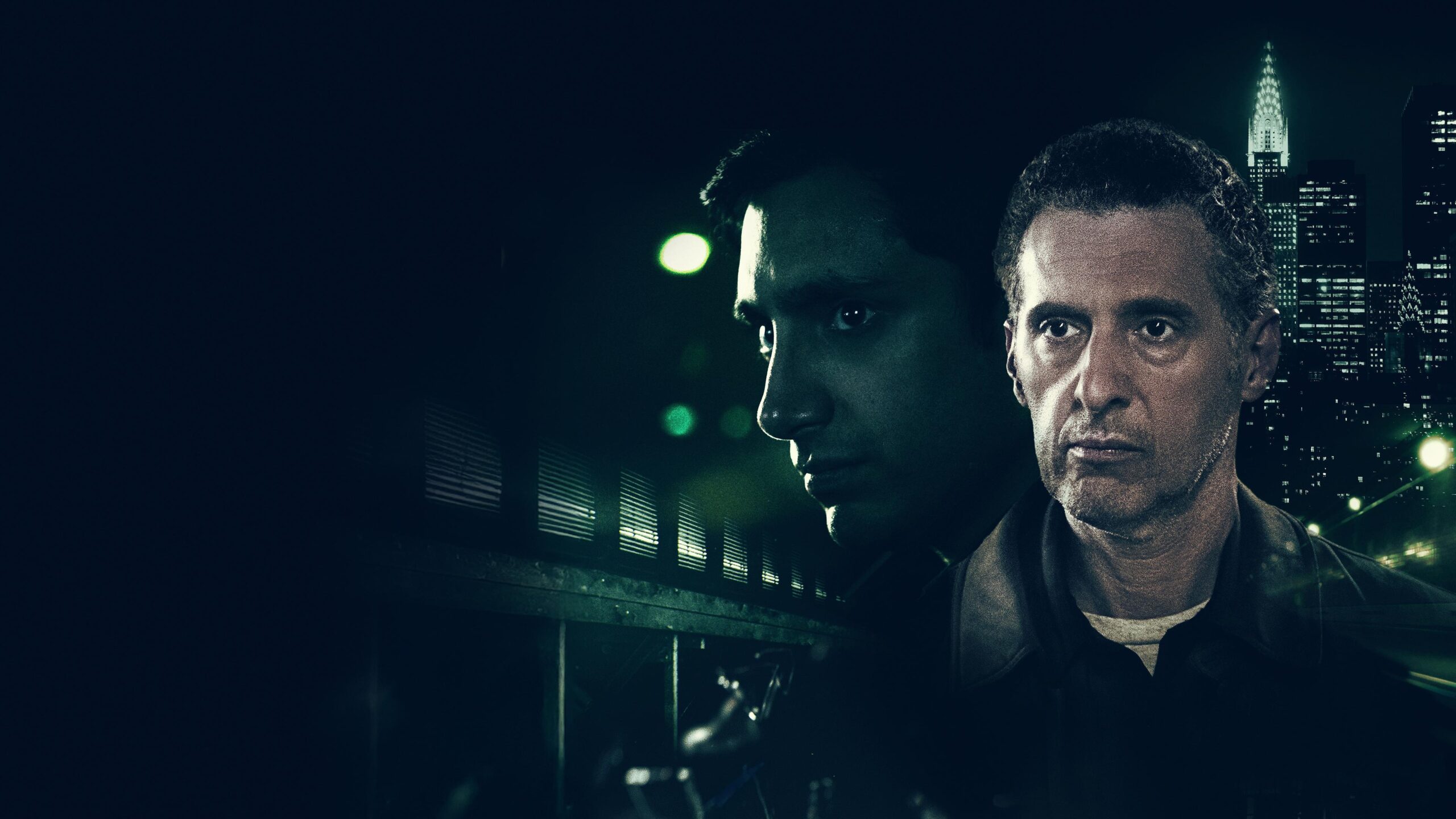
The Night Of: When the System Becomes the Real Threat
Not every crime story is about the crime
There are plenty of shows built around a murder. But very few manage to create the unsettling feeling that the real danger isn’t the crime itself — it’s everything that comes after.
The Night Of, HBO’s limited series created by Steven Zaillian and Richard Price, starts with a simple premise and slowly transforms it into something far more disturbing: a deeply human, uncomfortable look at the American justice system, prison life, and how easily a person can be reshaped by both.
Across just eight episodes, the series achieves what many longer shows fail to do. It builds sustained tension without relying on constant twists. What keeps you hooked isn’t shock — it’s realism, and the slow unraveling of its protagonist.
📊 Quick View
🎬 Series: The Night Of
📺 Platform: HBO / Max
🧑⚖️ Genre: Crime Drama · Legal Thriller
📆 Episodes: 8
⭐ Key Elements: Judicial realism, character transformation, slow-burn tension
A simple night that turns into a nightmare
The story begins in New York City with what feels like an ordinary night. Nasir Khan, a college student played by Riz Ahmed, borrows his father’s cab to go out.
He meets a mysterious woman, they spend the night together, experiment with drugs, and end up at her apartment. It all feels impulsive, almost reckless — but not unusual.
Until he wakes up the next morning and finds her brutally murdered beside him.
From that moment on, the show avoids the usual crime-thriller path. Instead of chasing twists, it focuses on something far more unsettling: how quickly the system begins to consume him.
The real protagonist: the system
One of the greatest strengths of The Night Of is that it refuses to behave like a conventional thriller. The mystery of who committed the crime matters — but it’s not the driving force.
What truly stands out is the inside look at the American legal system. Interrogations, procedural mistakes, prosecutorial strategy, defense tactics, and the influence of public perception all come into play.
The show portrays a system that feels cold, procedural, and often unfair. A place where truth isn’t always the priority, and where suspicion alone can dismantle a life long before a verdict is reached.
The transformation of Nasir Khan
At the heart of the series lies the evolution of its main character.
At first, Nasir is shy, polite, and completely overwhelmed. But as the story unfolds, both prison life and the legal process begin to reshape him.
The series spends time exploring the internal mechanics of incarceration — the hierarchy, the underlying violence, and the constant pressure to adapt in order to survive.
By the end, Nasir is no longer the same person we met in the first episode. That transformation is subtle, disturbing, and ultimately one of the most powerful aspects of the show.
A cast that carries the weight
Riz Ahmed delivers a remarkable performance. His portrayal is restrained, vulnerable, and deeply authentic. The emotional shift in his character is conveyed through small gestures, silence, and subtle expression.
Alongside him, John Turturro plays John Stone, the defense attorney — and arguably the show’s other anchor.
Stone is an unconventional figure: a struggling lawyer, plagued by personal issues, used to handling minor cases. Yet when he takes on Nasir’s defense, he finds himself facing a system far bigger than he is.
His perspective adds humanity, dry humor, and a grounded lens to the legal process.
An oppressive atmosphere
The series also stands out for its atmosphere.
New York is portrayed not as a vibrant, cinematic city, but as something colder and more indifferent. Police stations, courtrooms, and prisons feel impersonal — almost mechanical.
People become case files. Lives become procedures.
The cinematography and pacing reinforce that sense of confinement, creating a quiet but constant feeling of claustrophobia.
A miniseries that stays with you
With just eight episodes, The Night Of is easy to binge — but difficult to forget.
It doesn’t rely on spectacle or dramatic twists. Its power comes from realism, character depth, and the uncomfortable idea that everything you’re watching could happen in real life.
This is a story about the fragility of innocence when it collides with a system that doesn’t slow down for anyone.
One of HBO’s most solid and quietly devastating miniseries.